Friction by Design: The Invisible Architecture Steering Your OS Choices
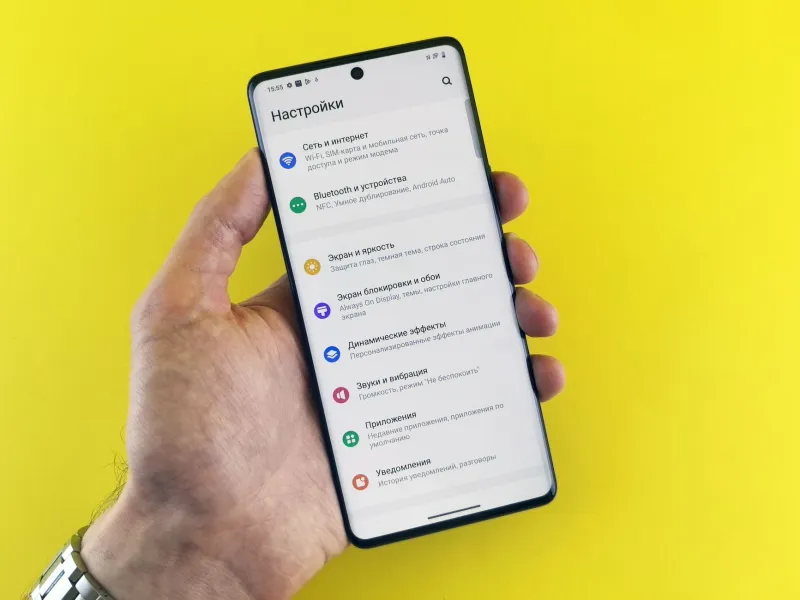
Design is never neutral. Every interface decision — the placement of a button, the color of a confirmation dialog, the number of steps required to reach a particular setting — reflects a choice made by someone, for reasons that may or may not align with the interests of the person using the software. In the context of operating systems, where the interface mediates virtually every interaction a user has with their computer or phone, these choices accumulate into something that functions less like a neutral tool and more like an environment engineered to produce specific behaviors.
The discipline that studies this phenomenon has several names. Behavioral economists call it "choice architecture." Designers call it UX. Critics call it dark patterns. Whatever the terminology, the phenomenon is consistent: operating system vendors use the structure of their interfaces to steer users toward defaults, behaviors, and products that serve the vendor's commercial interests, often at the expense of user autonomy and transparency.
This is not a fringe concern or a conspiracy theory. It is documented, demonstrable, and worth examining in specific detail.
The Default as a Statement of Intent
The most powerful tool in the choice architect's kit is the default setting. Research in behavioral science has consistently demonstrated that the majority of users accept default configurations without modification. This is rational behavior — evaluating every setting in a complex software system would require more time and cognitive investment than most people are willing or able to commit. Defaults are, in effect, the choices that platforms make on behalf of users who do not actively choose otherwise.
Windows provides a particularly transparent example. When a user installs Windows 11 or performs a fresh setup, the configuration process presents a sequence of screens that request consent for various forms of data collection and personalization. The design of these screens is asymmetric: opting into Microsoft's preferred configuration requires a single click on a prominently displayed button. Opting out requires locating and individually toggling multiple separate controls, often across screens that are not presented in sequence but must be discovered through the settings interface after initial setup.
This asymmetry is not accidental. It is the operationalization of a business interest. Microsoft's advertising and analytics operations derive value from telemetry data collected through Windows. Designing the consent flow to maximize opt-in rates is a rational commercial decision. It is also a design choice that prioritizes the company's interests over the user's ability to make an informed, uncoerced decision about their own data.
The Archaeology of Hidden Settings
Beyond defaults, operating systems increasingly practice what might be called settings archaeology — the burial of configuration options at depths of menu hierarchy that most users will never reach, or the removal of settings from the primary interface entirely.
Windows has been particularly aggressive in this respect. The transition from the Control Panel, which exposed a comprehensive set of system configuration options in a relatively flat hierarchy, to the Settings application introduced in Windows 8 and expanded in subsequent versions, has been accompanied by a persistent reduction in accessible granularity. Options that were previously a few clicks from the desktop now require navigating through multiple nested menus, or have been removed from the graphical interface entirely and relegated to the registry or group policy — tools that require technical knowledge the average user does not possess.
The effect is not merely inconvenient. When settings become inaccessible, they cease to function as settings in any meaningful sense. A privacy control that requires twenty minutes of research and registry editing to activate is not a privacy control — it is a liability disclaimer dressed as user agency.
macOS presents a different but related pattern. Apple's approach to privacy settings has improved in several respects over recent years, with the introduction of clear permission prompts for camera, microphone, and location access. But the company's treatment of its own services within those frameworks reflects a consistent bias. iCloud integration, Apple ID sign-in prompts, and suggestions to enable Apple services appear persistently and prominently throughout the setup process and the ongoing user experience. Declining these prompts requires deliberate, repeated action. The design does not present Apple's services and third-party alternatives as equivalent choices — it presents Apple's services as the natural state and alternatives as deliberate departures from it.
Android's Attention Economy Interface
Android's design patterns deserve particular scrutiny, in part because the platform reaches a broader and more economically diverse user base than either Windows or macOS, and in part because Google's business model — built on attention and behavioral data — is more directly implicated in the interface choices Android makes.
Notification systems on Android have been subject to repeated criticism for their design. Applications are, by default, permitted to send notifications upon installation, placing the burden of opt-out on the user. While Android 13 changed this to require explicit notification permission grants, the implementation varies across device manufacturers, many of whom ship heavily modified Android versions that reintroduce permissive defaults. The result is a platform where the average user's notification feed is populated substantially by commercial messages they did not meaningfully consent to receive.
Google's own applications, pre-installed on most Android devices shipped in the United States, occupy privileged positions in the interface that third-party alternatives cannot replicate. Google Search cannot be removed from many devices. Google Chrome is the default browser in ways that are technically difficult to fully override on certain manufacturer skins. The Play Store's position as the exclusive gateway to application installation on most Android devices ensures that Google's review and commission structures govern the entire application economy.
The Psychology Behind the Pattern
Understanding why these patterns persist requires acknowledging the psychological mechanisms they exploit. Loss aversion — the well-documented tendency for people to weight potential losses more heavily than equivalent gains — is activated by warning dialogs that appear when users attempt to change default browsers or disable pre-installed applications. The dialogs are technically accurate; they describe what will change. But their framing consistently emphasizes potential negative consequences of the user's choice rather than presenting the alternatives as equivalent options.
Social proof is another instrument in the toolkit. Prompts that indicate that "most users" choose a particular setting, or that frame the corporate-preferred option as the recommended choice, leverage the human tendency to treat consensus as a signal of correctness. In contexts where users lack the technical knowledge to independently evaluate the options presented, these framing effects can be decisive.
Toward More Legible Interfaces
The argument here is not that operating system vendors are uniquely malicious actors. It is that they are rational ones — and that the rationality of large commercial enterprises, left unchecked, produces interface designs that optimize for corporate outcomes rather than user ones.
Regulatory responses to this dynamic are beginning to emerge. The EU's Digital Markets Act contains provisions addressing default settings and the ease of changing them. The FTC has increased its scrutiny of dark patterns across digital services. Several states have introduced or passed legislation addressing deceptive design in consumer software.
But regulation moves slowly, and the interface evolves continuously. The more durable response is informed users — people who understand that the settings they see, and the settings they don't, are not the product of neutral engineering decisions but of choices made by institutions with interests that may diverge significantly from their own. That understanding does not automatically produce better outcomes, but it is the precondition for demanding them.